Science
Discover how Science comes to life at Park Street- how we spark curiosity, build confidence and create engaging learning experiences that help children develop knowledge, skills and a love of learning so that every child can flourish.

INTENT
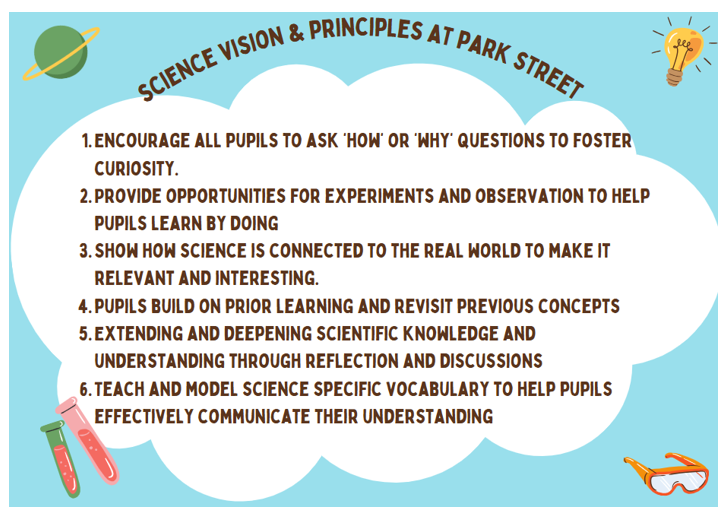
At Park Street, we aim our intent is to develop curious, confident and reflective young scientists who are equipped to understand and explore the world around them. We aim to nurture a strong sense of wonder by encouraging pupils to ask thoughtful “how?” and “why?” questions and to seek answers through careful thinking and enquiry.
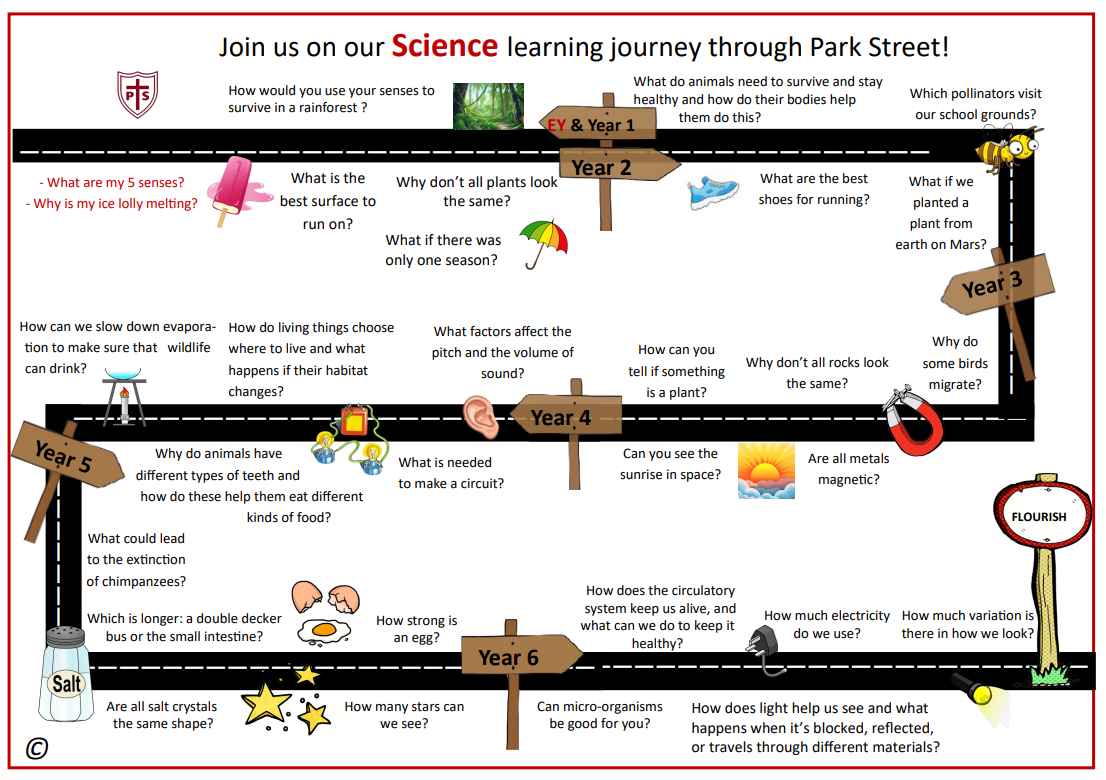
Our curriculum is designed to develop secure scientific understanding, giving children regular opportunities to revisit prior learning, build on what they know and make meaningful connections between ideas over time. We want children to recognise the relevance of science in everyday life and to appreciate how scientific thinking shapes the world today and in the future.
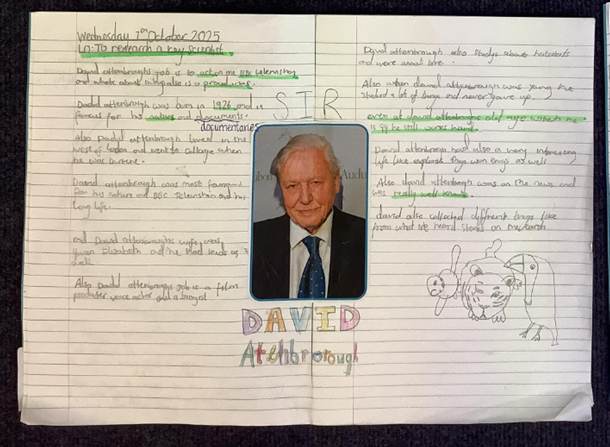
We are committed to ensuring that all pupils see themselves as scientists. By introducing them to a diverse range of scientific role models, we broaden their understanding of who contributes to scientific discovery and help them appreciate the global and inclusive nature of science.
A strong emphasis is placed on developing pupils’ ability to communicate scientifically. We intend for children to use precise vocabulary, explain their thinking clearly and engage confidently in scientific discussion.
Overall, our aim is to provide a rich, ambitious and inclusive science education that inspires curiosity, deepens understanding and equips pupils with the knowledge, skills and attitudes they need for the next stage of their learning and for life in an increasingly scientific and technological world.
IMPLEMENTATION
Our science curriculum is delivered through a carefully sequenced programme that builds pupils’ knowledge and skills in small, meaningful steps from Reception to Year 6. Each unit is structured to revisit prior learning, introduce new concepts clearly and provide regular opportunities for pupils to deepen their understanding through discussion, reflection and enquiry.
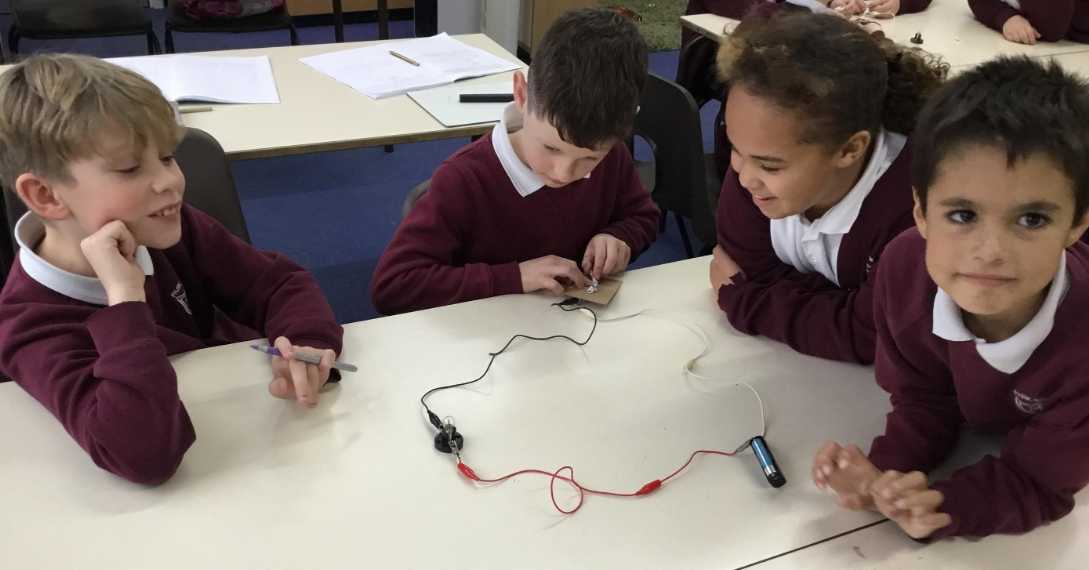
Lessons combine clear teacher explanation with high‑quality visuals, demonstrations and practical activities. Pupils take part in hands‑on investigations, experiments and observations that allow them to explore scientific ideas, test predictions and gather evidence. This practical approach helps pupils learn by doing and develop confidence in using scientific equipment safely and accurately.
Scientific vocabulary is explicitly taught, modelled and revisited throughout each unit. Pupils are encouraged to use precise terminology when describing processes, explaining their thinking and presenting findings, helping them communicate like scientists.
A key feature of our approach is the study of diverse scientists across all year groups. Children learn about scientists from a wide range of backgrounds, cultures and areas of expertise. This helps them see that science is for everyone and that anyone can be a scientist, including themselves.
Working Scientifically skills are developed progressively. Pupils learn to plan enquiries, observe closely, measure accurately, interpret results and evaluate findings with increasing independence. Regular retrieval practice and opportunities to revisit key ideas help pupils secure and retain their scientific knowledge over time.