History
Discover how History comes to life at Park Street- how we spark curiosity, build confidence and create engaging learning experiences that help children develop knowledge, skills and a love of learning enabling them to flourish.
INTENT
At Park Street, we aim to inspire every child to think, question and behave as a historian. Our History curriculum enables children to:
- Develop a secure understanding of chronology, recognising how periods of history connect and influence one another.
- Ask perceptive questions and pursue their own lines of enquiry as curious, critical thinkers.
- Use a wide range of primary and secondary sources to investigate the past and draw informed conclusions.
- Apply accurate historical vocabulary to discuss, explain and present their understanding.
- Understand how the past has shaped our local community, our nation, and the wider world, and recognise how historical events influence life today.
- Make meaningful links across different time periods, recognising patterns, causes, and consequences.
IMPLEMENTATION
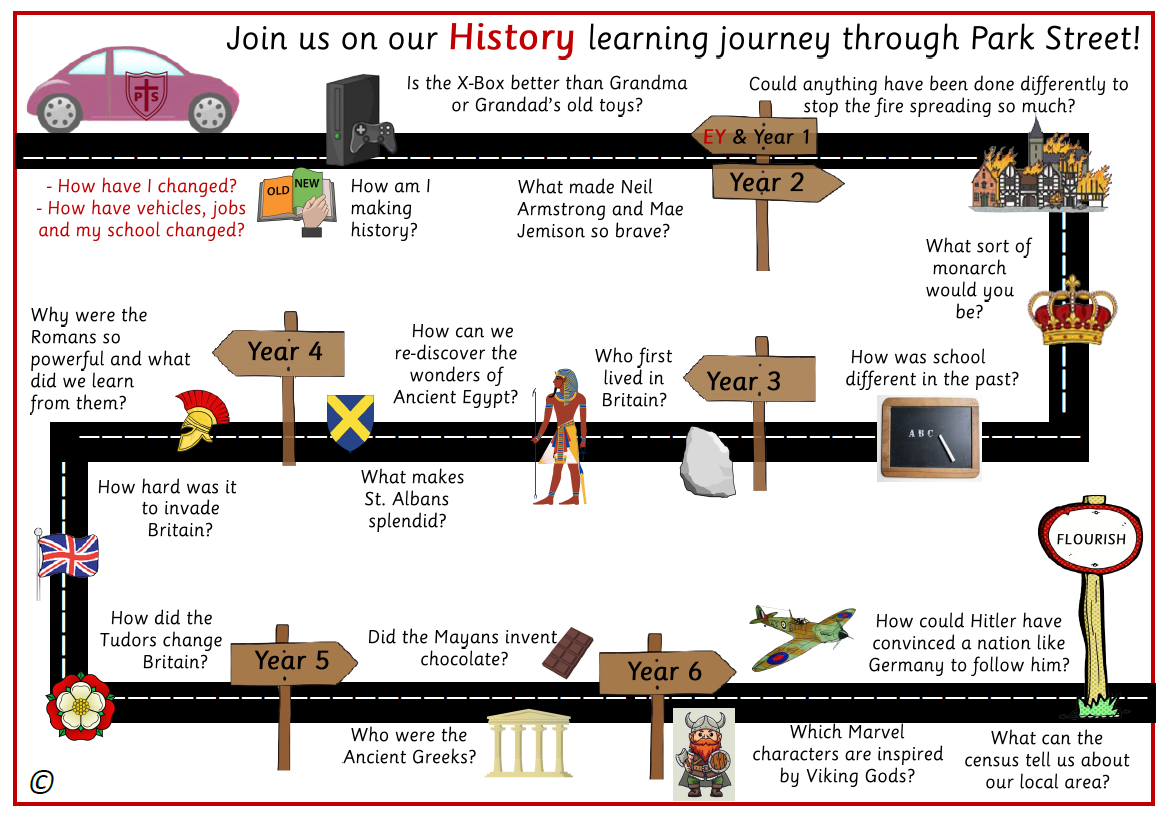
At Park Street, our History curriculum is implemented through carefully sequenced units of work that follow the statutory requirements of the National Curriculum. Each year group studies three half-termly units that build progressively on prior learning, enabling children to make sense of the past and understand how it shapes life today. Our approach ensures children appreciate the complexity, diversity and richness of human societies across time.
Our curriculum is planned to develop children’s understanding of:
- Cause and consequence
- Change and continuity
- Similarity and difference
- Historical significance
- Sources and evidence
- Historical interpretations
Each unit is framed around a key enquiry question, which guides the learning journey. Lessons build cumulatively so that children gradually develop the knowledge and skills needed to answer this key question with increasing confidence and sophistication.
Wherever possible, units are taught in chronological order to help children understand how civilisations and events connect and influence one another.
Teachers use a whole-school progression map of historical skills to ensure that learning is carefully sequenced and ambitious for every child. All children access knowledge organisers that outline key concepts, vocabulary, and facts for each unit. These help pupils recall prior knowledge, make connections, and deepen their understanding over time.
Parents and carers are kept informed through half-termly curriculum letters, which highlight the knowledge and skills each class will develop.
During History lessons, you will see:
- A range of teaching methods chosen to inspire and engage children as historians.
- Enquiry-based tasks linked to a meaningful key question.
- Marking and feedback following the school’s policy.
- Knowledge organisers used to support memory and retrieval.
- Front covers introducing each topic with the key enquiry question.
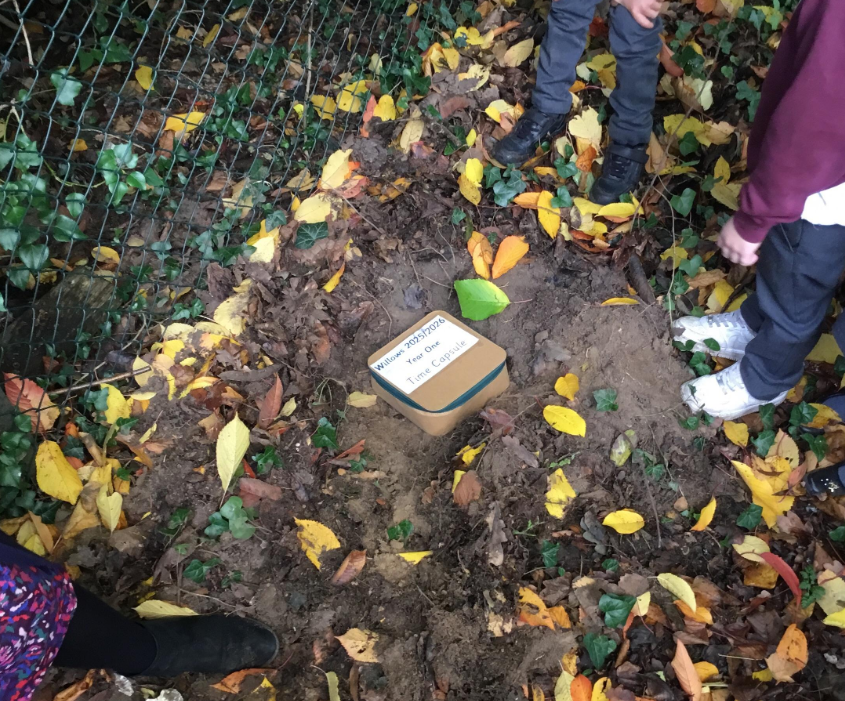
- Timelines used to reinforce chronological understanding across local, national and global scales.
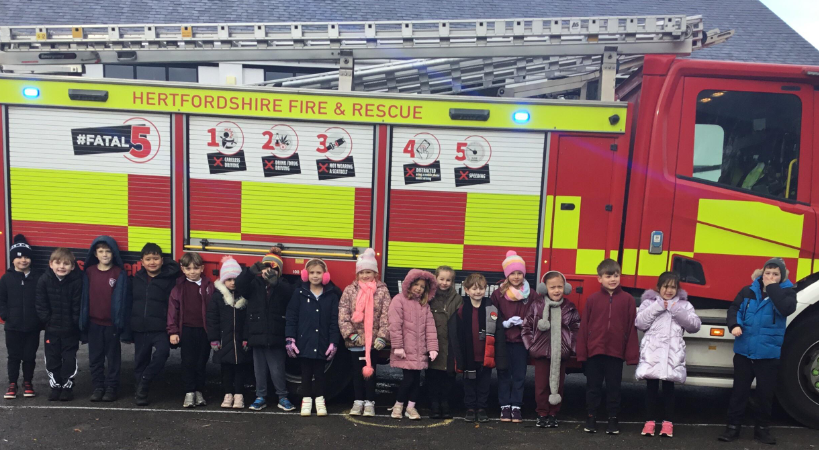
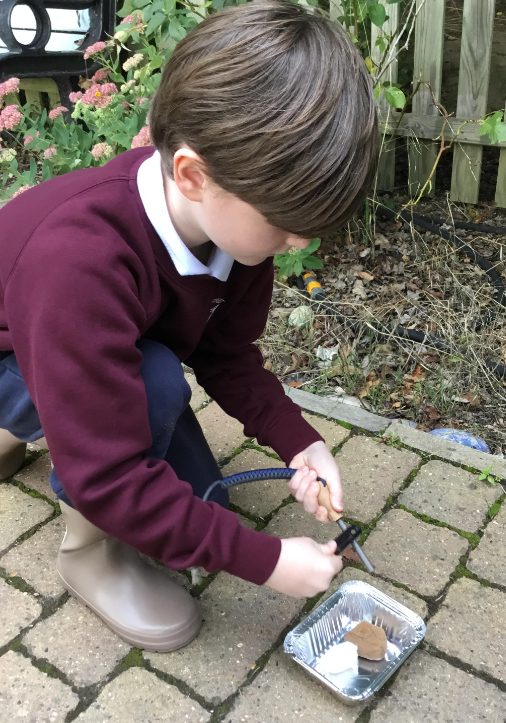
- Artefacts and real sources used wherever available to bring the past to life.
- Quizzes and recall activities that strengthen long-term retention.
- Working walls and displays showcasing current learning and supporting pupils with vocabulary and concepts.